Guide: School video production
How to increase pupil numbers: practical admissions marketing for schools facing falling rolls
Primary rolls are falling across England. What the latest DfE figures show, and practical steps to increase pupil numbers this admissions year.
Last checked
To increase pupil numbers, make it easy for local families to find your school, see what a normal day looks like, visit, and apply before the deadline. With primary rolls falling across England, the schools that show themselves clearly and early in the admissions year give themselves the best chance of being a family’s first choice.
Below is the data behind falling rolls, what it means for your budget, and a practical plan for the year ahead.
Why are pupil numbers falling?
Fewer children are being born. The Department for Education’s latest national pupil projections, published in July 2026, say the number of pupils in state-funded nursery and primary schools peaked in 2019 and has been falling ever since, mainly because births have generally fallen since 2013.
The projections show:
- Primary: 4,424,000 pupils in state-funded nursery and primary schools in 2026, projected to fall to 3,951,000 by 2031. That is 473,000 fewer pupils, a drop of 10.7%.
- Secondary: 3,216,000 pupils in 2026, projected to fall to 2,967,000 by 2031. Secondary numbers levelled off between 2024 and 2025 and have now started to fall slowly.
- This year: the January 2026 school census counted 112,000 fewer pupils across all school types than a year earlier.
DfE says lower international migration is likely to have contributed to the latest fall. The National Foundation for Educational Research (NFER) worked out that the projected primary figure for 2031 would be a 15% fall from the 2019 peak.
Is it the same everywhere?
No, and that matters for schools in the West Midlands. NFER’s analysis in June 2026 found that every region has seen primary numbers fall since 2019, but the West Midlands and the East of England have been less affected than others so far. London has been hit hardest. Seventeen of England’s 153 local authorities even project an increase in primary pupils between 2024/25 and 2029/30.
NFER also found that the most disadvantaged primary schools have lost pupils fastest. Schools with the highest free school meals rates saw numbers fall by 7.3% since 2018/19, against 3.3% for schools with the lowest rates.
So look closely at your own area. Your local authority makes its own projections of pupil numbers, so ask what it expects for your part of the city or county.
Why every pupil matters to your budget
Most school funding follows pupils. Under the national funding formula for 2026 to 2027, around 92% of a school’s formula funding is allocated through “pupil-led” factors, based on how many pupils it has and their needs. Funding is also lagged: a school is funded in a given year on its pupil numbers from the year before.
That means a few empty places in Reception or Year 7 can affect your budget for years, as that smaller year group moves up through the school. NFER says many primary schools are already having to cut classes and staff because of falling rolls.
How do parents choose a school?
GOV.UK suggests families find out about a school by:
- visiting it (it notes that most schools have open days)
- reading its latest Ofsted report
- checking the school performance tables
- talking to other parents
Birmingham City Council also tells parents to visit each school’s own website before they apply. That gives you a clear list of what to get right: your website, your open events, how your school looks and feels to visitors, and what local parents say about you.
How to market a school: seven practical steps
1. Make your website easy for parents
Your website is often a family’s first visit. Put admissions one click from the home page, with open event dates, how to apply, the closing date and a named contact. Check it works well on a phone, and that your statutory information is complete. Our checklist of what a school website must include covers the rules.
2. Treat open events as your main event
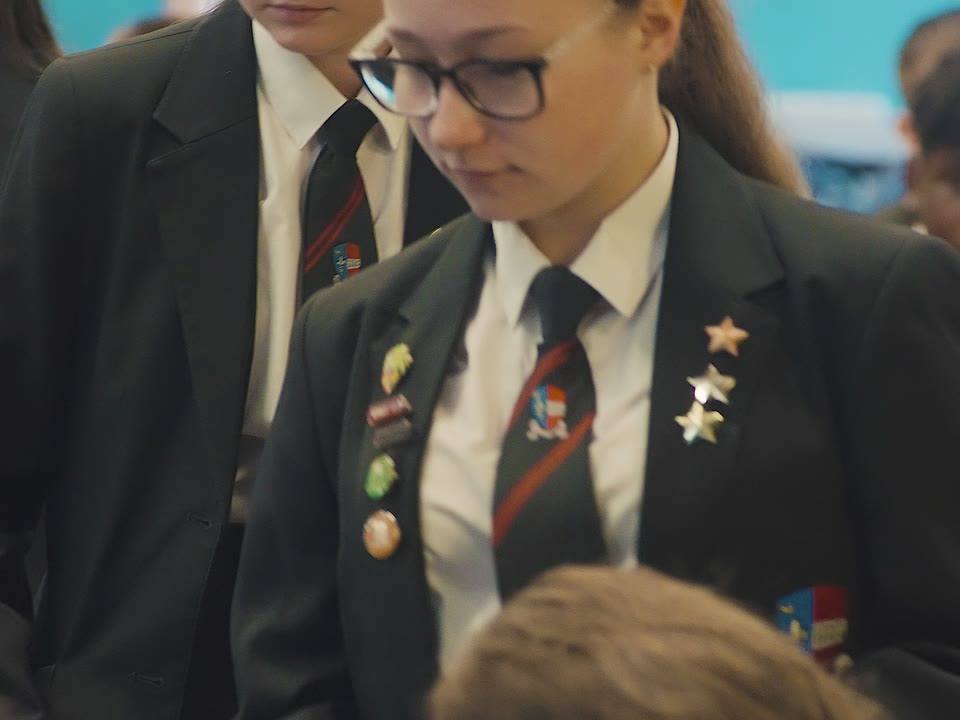
Plan open evenings, open mornings and tours as carefully as a school play. Use pupils as guides, open every department, make the head easy to find, and give families a clear next step on the way out. Follow up with everyone who came, and remind them of the deadline.
3. Show a normal day on film
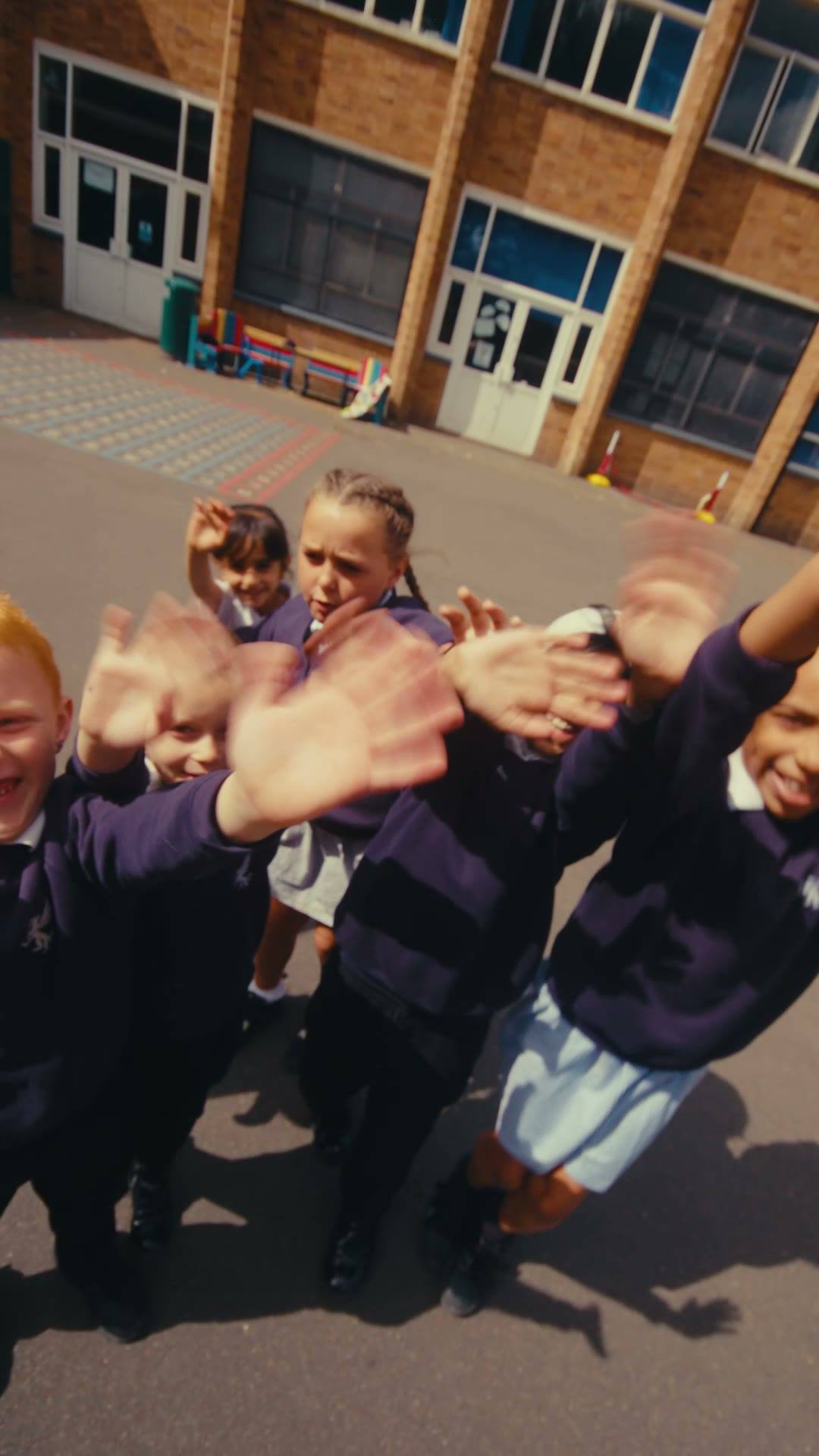
A short film lets families see your school before they visit, and reaches people who cannot come at all. Our guide to open evening video ideas covers what to film and when to post it, with the film we made for The Coleshill School’s open evening as an example.
4. Give families something to take home
A short, honest prospectus with real photographs of your own pupils, ready for open events, nursery visits and your reception desk, plus a digital version that is easy to share. See our guide to what a school prospectus should include.
5. Post regularly on social media
Prospective parents can look at your Facebook page or Instagram without ever contacting you, so keep them current. Share everyday school life, celebrations and reminders of key dates. Our guide to what schools should post on social media has ideas for every term.
6. Be visible in your community
Build links with local nurseries and primary schools, take part in community events, and open your doors for concerts, fairs and performances. Trust-wide events are worth sharing too. For Fairfax Multi-Academy Trust we filmed a cross-trust maths challenge, the kind of story that shows families what happens across a trust’s schools.
7. Look after word of mouth
Talking to other parents is one of the ways GOV.UK suggests families research schools, so give your current families good things to pass on. Answer enquiries quickly, keep parents well informed and celebrate their children’s achievements. Keep your Google listing accurate, with the right phone number, website link and photos. Ofsted’s operating guide also tells inspectors to look at responses to its Parent View survey when they prepare, so remind parents that it exists.
Plan around the admissions year
For children starting in September 2027:
- Spring and summer term: film, photograph and update your prospectus and website, while the school is settled.
- September and October: secondary open evenings. Year 7 applications close on 31 October 2026.
- September to mid-January: primary tours and open mornings. Reception applications close on 15 January 2027.
- 1 March 2027: secondary offer day.
- 16 April 2027: primary offer day.
- After offer day: welcome new families warmly. They will soon be talking to the next year’s parents.
Three things to avoid
- Knocking other schools. Families notice, and it rarely wins anyone over. Talk about what you do well.
- Promising what you cannot deliver. If your film or prospectus shows something, families will expect to see it when they visit.
- Leaving it until September. By the time open evenings start, the filming, photography and printing should already be done.
How do you know if it is working?
Track a few simple numbers each year and compare them with the year before:
- open event bookings and attendance
- enquiries, and how families heard about you (ask on your booking form)
- visits to your website’s admissions page
- applications and first preferences
None of these on its own tells the whole story, but together they show whether more families are finding you and choosing you.
Where Moments fits in
Moments is a creative studio that only works with education. We make films, photography, prospectuses, websites and social media content for schools and trusts across Birmingham and the West Midlands, so your whole admissions year can come from one team, with one clear, fixed quote.
A good place to start is an open evening film. Or get in touch and we will talk through your year with you.
FAQs
Common questions
- Why are pupil numbers falling in England?
- Mainly because fewer babies have been born. DfE says the number of children in state-funded nursery and primary schools peaked in 2019 and has been falling since, largely because births have generally fallen since 2013. DfE also says lower international migration is likely to have contributed to the latest fall.
- How do you market a primary school?
- Focus on families applying for Reception. Make your website’s admissions page clear, run tours or open mornings through the autumn, and be visible at local nurseries and community events. Reception applications open in September and close on 15 January, so most of your effort belongs in that window.
- How do you promote your school in the community?
- Go where local families already are: nurseries, community events, libraries, sports clubs and local online groups. Invite people in for concerts, fairs and performances, and share what your pupils do for the local area. Keep your look and tone consistent so people recognise you.
- How long does it take for marketing to increase pupil numbers?
- Expect it to take at least one full admissions cycle. Families research schools months before the deadline, and school funding is based on pupil numbers from the year before, so the effect shows over a year or more. Track open event bookings and applications each year to see the trend.
Sources
- DfE: National pupil projections, reporting year 2026 (published 16 July 2026) (opens in a new tab)
- NFER: NFER responds to new National Pupil Projections (16 July 2026) (opens in a new tab)
- NFER: The widening disadvantage divide, disadvantaged primary schools appear to be most affected by falling pupil numbers (24 June 2026) (opens in a new tab)
- DfE: The national funding formula for schools and high needs 2026 to 2027 (opens in a new tab)
- GOV.UK: School admissions, choosing schools (opens in a new tab)
- GOV.UK: School admissions, how to apply (opens in a new tab)
- Birmingham City Council: Apply for a secondary school (year 7) place (opens in a new tab)
- Ofsted: School inspection operating guide for inspectors (for use from September 2026) (opens in a new tab)